



 Русский; הארי ס. טרומן
 עברית; هاري إس ترومان
 العربية; ハリー・S・トルーマン
 日本語; 哈里·S·杜鲁门
 汉语; 해리 S. 트루먼
 한국어
 → Personalities → Harry S. Truman


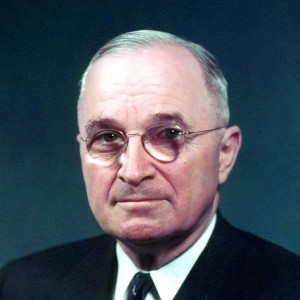
Harry S. Truman had a decisive leadership during the early Cold War period, marked by the implementation of the Truman Doctrine and the Marshall Plan. These policies were pivotal in containing the spread of communism and aiding the economic recovery of Europe after World War II. His decision to use atomic bombs on Hiroshima and Nagasaki brought a swift end to the war with Japan, reshaping global politics and establishing the United States as a dominant post-war power. Truman's presidency also saw the formation of NATO, significantly influencing international relations and American foreign policy for decades.
Born on May 8, 1884, in Lamar, Missouri, he grew up in Independence, Missouri, and spent his early years working on his family's farm and serving in World War I. Entering politics in the 1920s, he served as a county judge before being elected to the U.S. Senate in 1934. As a senator, he gained national recognition for his leadership of the Truman Committee, which aimed to reduce wartime waste and inefficiency. His unexpected rise to the presidency in 1945 marked the beginning of a transformative era, characterized by his handling of the end of World War II, the beginning of the Cold War, and his efforts in advancing civil rights and social reforms at home.
He was a devoted piano player and had a lifelong love for music. He practiced the piano daily and even considered a career as a professional musician in his youth. This passion for music once led to an impromptu piano performance at the National Press Club in 1958, where he surprised the audience by playing a few tunes, demonstrating his skill and bringing a touch of levity to the event.
Despite his numerous achievements, his later years were marked by financial difficulties. After leaving the presidency, he faced significant monetary challenges because former presidents did not receive pensions at that time. He refused lucrative corporate offers, believing they were undignified for a former president, and instead lived modestly on his military pension and earnings from his memoirs. This situation led to the establishment of the Former Presidents Act in 1958, ensuring financial support for future ex-presidents.
He was a decisive leader during the early Cold War era. For example, he implemented the Truman Doctrine, providing aid to Greece and Turkey to prevent the spread of communism. He supported the Marshall Plan, which facilitated the economic recovery of Europe after World War II by providing billions in aid to war-torn countries. He played a key role in founding NATO, ensuring a collective security arrangement to counter Soviet expansion. Domestically, he desegregated the armed forces through executive orders and introduced the Fair Deal, proposing expansions in social security, federal housing programs, and civil rights initiatives. He also oversaw the Berlin Airlift, which provided vital supplies to West Berlin amidst a Soviet blockade, and navigated the complex challenges of the Korean War, committing U.S. forces to repel the North Korean invasion of South Korea.
Known for his straightforward and candid speaking style, he was often described as plain-spoken and direct, earning him the nickname "Give 'Em Hell Harry." His speeches were clear, concise, and delivered with a sense of conviction and honesty that resonated with the American public. As a writer, he was meticulous and thoughtful, authoring detailed memoirs that provided insight into his presidency and decision-making processes. His ability to communicate complex ideas in an accessible manner was a hallmark of both his oratory and written works.
His most significant written works include his memoirs, "Memoirs by Harry S. Truman: Year of Decisions" and "Memoirs by Harry S. Truman: Years of Trial and Hope." These volumes offer a detailed account of his presidency, providing insights into his decisions on major events such as the end of World War II, the implementation of the Marshall Plan, and the Korean War. His candid reflections and straightforward narrative style make these memoirs essential reading for understanding mid-20th-century American history.
As a speaker, his most notable addresses include the 1947 speech before Congress outlining the Truman Doctrine, which articulated the policy of containing Soviet expansion and supporting free peoples resisting subjugation. Another significant speech was his address announcing the Marshall Plan in 1948, where he eloquently advocated for substantial aid to rebuild Europe. His 1948 Democratic National Convention speech, in which he vigorously defended his Fair Deal policies and civil rights initiatives, showcased his ability to passionately convey his vision for America. These speeches, characterized by their clarity and conviction, left a lasting impact on American foreign and domestic policy.
Harry S. Truman influenced various publics by implementing the Truman Doctrine and Marshall Plan to foster global stability, using atomic bombs to hasten the end of World War II, advancing civil rights domestically, and delivering clear, impactful speeches that effectively communicated his vision during a transformative era.
Truman's works exemplify the power of clear, direct communication combined with emotional and moral appeals, making his speeches and writings enduring examples for effective public speaking and writing.
Studying the works of this pivotal leader can significantly enrich our understanding of effective leadership, decision-making in times of crisis, and the importance of social justice. His policies and speeches provide valuable insights into handling complex global issues and advancing civil rights, offering lessons in resilience, integrity, and the power of clear communication that are relevant in both personal and professional life.

 https://en.wikipedia.org/wiki/Harry_S._Truman
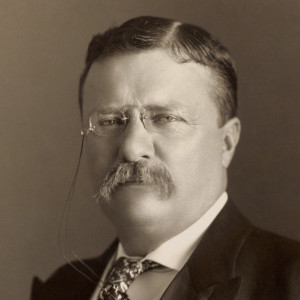 Theodore Roosevelt
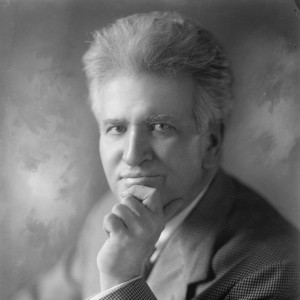 Robert Marion La Follette