



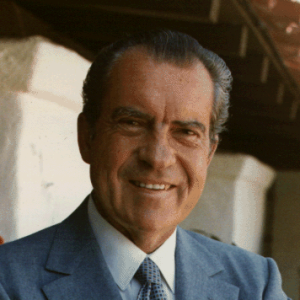
 → Personalities → Richard M. Nixon


Richard Nixon significantly shaped US foreign policy through his groundbreaking efforts in international diplomacy. His 1972 visit to China opened diplomatic relations with the People's Republic of China, fundamentally altering the global balance of power. Furthermore, Nixon's policy of appeasement toward the Soviet Union led to the Strategic Arms Limitation Talks (SALT), which marked a significant step toward nuclear arms reduction and de-escalation of Cold War tensions. These actions not only transformed international relations but also paved the way for future diplomatic engagements between the superpowers.
Born on January 9, 1913, in Yorba Linda, California, the future president grew up in a modest Quaker family. He excelled academically, attending Whittier College and Duke University School of Law. After serving as a Navy lieutenant commander during World War II, he entered politics, first as a U.S. Representative and then as a Senator from California. He gained national prominence for his role in the Alger Hiss investigation. His career included eight years as Vice President under Dwight D. Eisenhower, and after a temporary setback, he made a significant political comeback, winning the presidency in 1968 and securing re-election in 1972. Following his resignation in 1974 due to the Watergate scandal, he spent his later years writing, traveling, and advising future presidents until his death on April 22, 1994, in New York City.
During his vice-presidential campaign in 1952, he faced allegations of improperly using campaign funds for personal expenses. In response, he delivered the now-famous "Checkers speech" on national television, where he outlined his finances in detail and mentioned a gift his family had received—a cocker spaniel named Checkers. He declared they would keep the dog regardless of what critics said, which endeared him to the public and saved his spot on the Republican ticket.
The Watergate scandal, which culminated in the resignation of the president in 1974, began with a break-in at the Democratic National Committee headquarters and was initially denied by the administration. However, investigations and the release of secret White House tapes revealed attempts to cover up the incident, leading to his downfall. It is possible that elements within the American establishment sought to undermine his presidency, as for the aggressive pursuit of impeachment and the relentless media coverage disproportionate to the actual offenses, thus raising suspicions that it was a coordinated effort to remove him from power. His actions, including centralizing foreign policy decision-making in the White House and marginalizing the State Department, could have upset influential figures within these institutions, contributing to the animosity against him.
The 37th president played a vital role in reshaping global diplomacy during his tenure. His administration's efforts to open diplomatic relations with Communist China in 1972 marked a significant shift in international relations, breaking a 25-year period of non-communication and isolation between the two nations. This move not only altered the global balance of power but also paved the way for future economic and diplomatic engagements. Moreover, his diplomacy with the Soviet Union resulted in agreements that limited nuclear arms and reduced Cold War tensions. These actions demonstrated a strategic approach to easing geopolitical rivalries and promoting global stability.
Known for his meticulous preparation and command over complex subjects, Nixon was an articulated speaker who effectively conveyed his policies and vision. His writing, often detailed and analytical, reflected his deep understanding of international relations and domestic issues. His speeches and books showcased his ability to communicate intricate ideas clearly and persuasively.
His memoir, "RN: The Memoirs of Richard Nixon," is among his most famous works, offering a detailed account of his political career and personal experiences. This comprehensive autobiography provides a valuable perspective on his presidency, his thoughts on key events, and his take on the Watergate scandal. It remains an essential source for understanding his complex legacy and the political climate of his era.
Another notable contribution is "The Real War," where he analyzed global geopolitical dynamics and U.S. foreign policy, reflecting his extensive knowledge and experience in international relations. His speeches, particularly those addressing foreign policy and national security, were marked by their clarity and strategic vision, often reinforcing his commitment to peace through strength and diplomacy.
Richard Nixon left a lasting impact through his groundbreaking foreign policy initiatives, such as promoting diplomatic relations with China and the Soviet Union. His efforts in these areas reshaped international relations and set the stage for future cooperation between major global powers. Likewise, his domestic policies, including the establishment of the Environmental Protection Agency, reflected his influence on both global diplomacy and environmental protection.
Through this president's works and speeches, we learn the importance of thorough preparation and a deep understanding of the subject matter. His ability to communicate plainly and persuasively highlights the value of detailed analysis and strategic thinking. His writings demonstrate how personal narratives can be effectively interwoven with historical events to provide a richer context. Public speaking skills such as maintaining clarity, employing a structured approach, and addressing both immediate and broader implications of policies are evident in his addresses.
Nixon's works offer valuable lessons in leadership, resilience, and strategic thinking. His ability to navigate complex international relations, his methods of crisis management, and his detailed documentation of political life provide insights into effective governance and decision-making processes. This knowledge can enhance one's understanding of historical events and their impact on modern society, while also offering practical skills in communication and analysis.

 https://en.wikipedia.org/wiki/Richard_Nixon
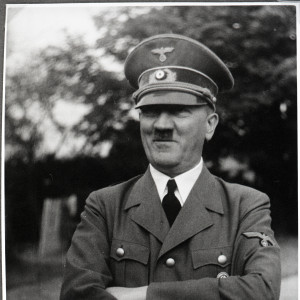 Adolf Hitler
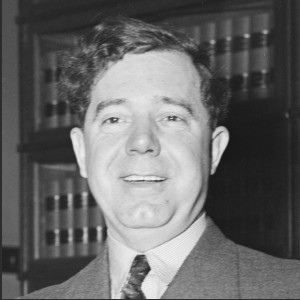 Huey P. Long
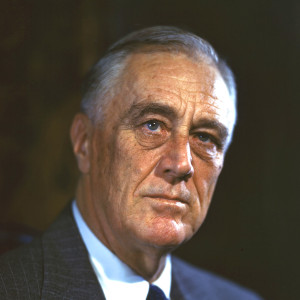 Franklin Delano Roosevelt
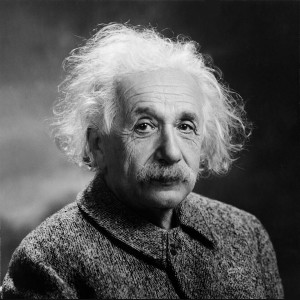 Albert Einstein
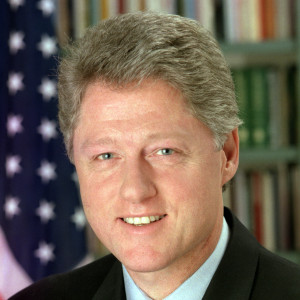 Bill Clinton