



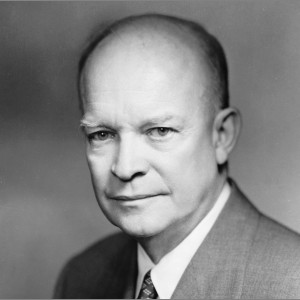
 → Personalities → Dwight D. Eisenhower


Dwight D. Eisenhower was the Supreme Commander of the Allied Expeditionary Force in Europe during World War II, where he successfully planned and executed Operation Overlord, the D-Day invasion of Normandy, which was pivotal in the liberation of Nazi-occupied Europe. His presidency also marked important domestic and international achievements, including the initiation of the Interstate Highway System in the United States and efforts to ease Cold War tensions.
Eisenhower was born in Texas in 1890 and grew up in Kansas, within a family of seven sons. Excelling in sports during his high school years, he received an appointment to West Point, where he began a distinguished military career. Post-World War II, he took on significant roles, including the presidency of Columbia University and the supreme command of NATO forces. His ascent to the presidency came in 1952, following a career that included pivotal military leadership during major global conflicts and significant contributions to American domestic policy and international relations during the Cold War era.
He had an unconventional approach to quitting a heavy smoking habit, which once reached up to three or four packs a day. Instead of avoiding cigarettes altogether, he surrounded himself with them, filling his office with cigarettes and lighters. He would offer a cigarette to visitors, lighting it for them while mentally reinforcing his own decision not to smoke, turning the entire effort into a personal challenge of willpower.
His strategic planning and execution of Operation Overlord significantly contributed to the Allied victory in Europe. This military leadership not only marked a turning point in the war but also solidified his reputation as a key figure in the 20th century's military and political arenas. Later, as the 34th President of the United States, he played a crucial role in steering the country through the early Cold War period, promoting peace and stability both domestically and internationally.
Dwight David Eisenhower's speeches demonstrated a profound understanding of the issues facing the world during his tenure, marked by a clear, concise delivery that conveyed his messages effectively to a wide audience.
His legacy includes a series of impactful speeches that underscored his leadership and vision. His Farewell Address in 1961, cautioning against the military-industrial complex, remains a prescient warning about the intertwining of military, government, and industry interests. In his Second Inaugural Address in 1957, he emphasized the dangers of Communism and the importance of building peace with justice. His First Inaugural Address in 1953 reflected on the trials and responsibilities of the United States in a tumultuous world, advocating for peace and freedom. The "Atoms for Peace" speech in 1953 at the United Nations proposed the peaceful use of atomic energy, advocating for international cooperation in transforming atomic energy into a force for global prosperity. These speeches collectively highlight Eisenhower's engagement with key global issues of his era, showcasing his foresight and dedication to American values and international peace.
His strategic foresight during the war led to crucial victories against tyranny, while his presidency was marked by a commitment to peace, democracy, and international cooperation. Through his actions and words, Eisenhower helped shape a world order that sought stability and prosperity, making him a pivotal figure in promoting peace and human dignity.
Eisenhower's speeches demonstrate the importance of clear, principled messaging and the strategic use of rhetorical devices to engage and persuade audiences. His ability to convey complex issues through relatable metaphors and authoritative ethos offers valuable lessons for effective communication in both writing and public speaking.
Studying the work of Dwight David Eisenhower offers personal enrichment by exemplifying leadership, ethical decision-making, and the importance of foresight in addressing both present and future challenges. His approach to navigating significant global tensions and his visionary policies on peace and security serve as powerful lessons in the value of strategic planning and moral integrity. By examining his responses to complex issues, we can gain insights into the art of leadership and the critical role of individual responsibility in shaping a better world. This exploration not only deepens our understanding of historical events but also inspires in us a commitment to civic engagement and the pursuit of peace in our own life.

 http://www.eisenhowerlibrary.gov/
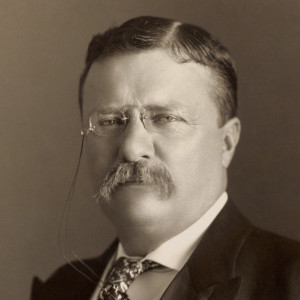 Theodore Roosevelt
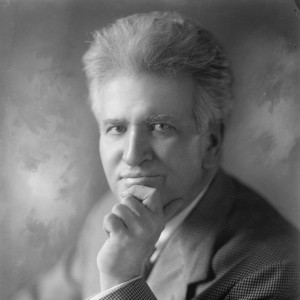 Robert Marion La Follette