



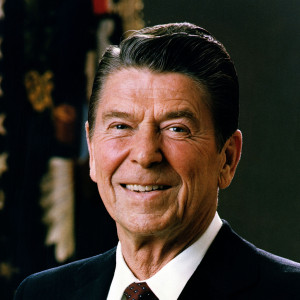
 → Personalities → Ronald Reagan


Ronald Reagan played a vital role in ending the Cold War through his strategic diplomacy and military buildup, which pressured the Soviet Union into negotiations, ultimately leading to the signing of the Intermediate-Range Nuclear Forces Treaty in 1987. His administration's firm stance against communism helped to dismantle the oppressive regime in Eastern Europe and paved the way for the eventual dissolution of the Soviet Union.
Born on February 6, 1911, in Tampico, Illinois, Reagan began his career as a radio sports announcer and transitioned to Hollywood in 1937, starring in over 50 films. Serving as president of the Screen Actors Guild from 1947 to 1952, he became politically active, initially as a Democrat before switching to the Republican Party in 1962. His political ascent continued as governor of California from 1967 to 1975, followed by two terms as President of the United States from 1981 to 1989. Known for his economic policies and staunch anti-communist stance, his legacy includes significant contributions to ending the Cold War. He passed away on June 5, 2004, in Los Angeles, California.
He once humorously highlighted the differences between life in the United States and the Soviet Union by recounting a story about an American and a Soviet citizen. In this joke, the American man asserts that he can walk into the Oval Office, pound the president's desk, and say, "Mr. President, I don't like the way you're running our country." The Soviet citizen replies, "I can do that too." When asked for clarification, the Soviet explains, "I can go to the Kremlin, walk into the general secretary's office, pound his desk and say, 'Mr. General Secretary, I don't like the way President Reagan is running his country' ".
In March 1981, just 69 days into his presidency, he was the target of an assassination attempt by John Hinckley Jr. Outside a hotel in Washington, D.C., Hinckley fired six shots, one of which struck him in the chest, piercing a lung and narrowly missing his heart. Despite the severity of the injury, he recovered and returned to his duties with remarkable resilience. This incident highlighted both the dangers faced by public figures and his personal courage.
He played a crucial part in bringing an end to the Cold War, characterized by his strong stance against communism and efforts to engage with the Soviet Union. Key actions included his Strategic Defense Initiative, aimed at developing a missile defense system, and his memorable challenge to Soviet leader Mikhail Gorbachev to "tear down this wall" during a speech in Berlin. These actions, along with significant arms reduction negotiations that led to the signing of the Intermediate-Range Nuclear Forces Treaty, showcased his commitment to reducing global tensions and promoting peace.
His qualities as an orator earned him the nickname "The Great Communicator" due to his ability to convey complex ideas in a relatable and engaging manner. He used humor and storytelling to connect with audiences, delivering memorable lines. His writing, seen in his published diaries, reflected his clarity of thought, optimism, and personal reflections on political events and decisions.
Throughout his career, he delivered several impactful speeches that significantly influenced public opinion and policy. One of his most notable speeches was the "Tear Down This Wall" address in 1987, delivered at the Brandenburg Gate in Berlin. In this speech, he directly challenged Soviet leader Mikhail Gorbachev to dismantle the Berlin Wall, a potent symbol of the Cold War division between East and West. This speech is remembered as a historical moment of the Cold War and underscored his commitment to promoting freedom and ending communist oppression.
As a writer, his extensive body of work includes numerous radio addresses and speeches that he often wrote by hand. Between 1975 and 1979, he delivered over a thousand daily radio broadcasts, many of which he penned himself. His writings, collected in "Reagan, in His Own Hand," reveal his deep commitment to conservative principles and his vision for America. These documents offer insight into his thought processes and his dedication to communicating his ideas clearly and effectively.
His efforts in ending the Cold War reshaped global politics and reduced the threat of nuclear conflict. His influential speeches and strategic diplomacy with Soviet leader Mikhail Gorbachev, helped to dismantle the Soviet Union and weaken communist regimes in Eastern Europe. Furthermore, his adept communication skills, showcased in his numerous speeches and radio addresses, effectively conveyed his vision of freedom and democracy, inspiring many around the world to embrace these ideals.
Examining his speeches and writings teaches us the power of clear, relatable communication. His use of storytelling and jokes brought complex ideas to life, making them accessible and engaging to a wide audience. His ability to connect emotionally with his listeners demonstrates the importance of empathy in public speaking. Additionally, his meticulous preparation and commitment to writing many of his speeches by hand highlight the value of personal touch and dedication in crafting impactful messages.
Through his story we can acquire valuable lesson into effective communication, leadership, and the power of optimism. His speeches and writings demonstrate how to communicate clearly and passionately, connect with diverse audiences, and inspire action through storytelling and empathy. These skills are essential for personal and professional growth, fostering better understanding and collaboration in various aspects of life.

 https://en.wikipedia.org/wiki/Ronald_Reagan
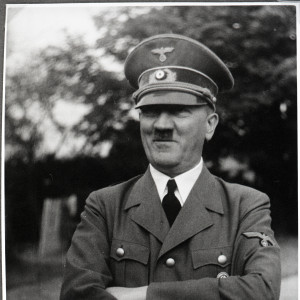 Adolf Hitler
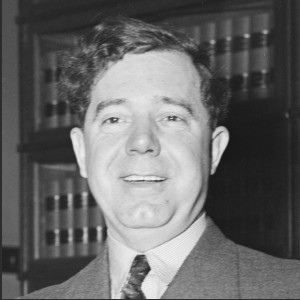 Huey P. Long
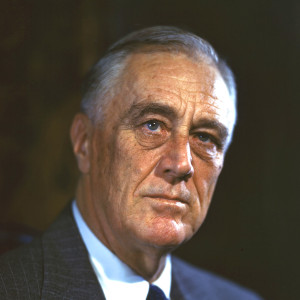 Franklin Delano Roosevelt
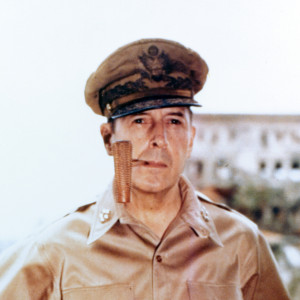 Douglas MacArthur
 Albert Einstein