



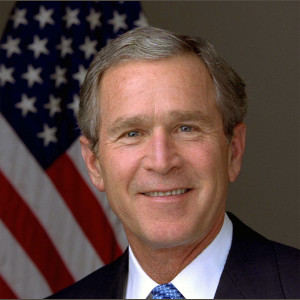
 → Personalities → George W. Bush


George W. Bush was the United States President during the September 11, 2001, terrorist attacks, and led to the initiation of the "war on terror," including the Afghanistan and Iraq Wars. These actions, aimed at dismantling terrorist networks and spreading democracy, significantly reshaped U.S. foreign policy and global geopolitical dynamics.
Born in New Haven, Connecticut, in 1946, the eldest of six siblings, he followed a path that mirrored his father's, leading him to prestigious academic institutions and eventually to the governorship of Texas. His tenure as governor saw significant reforms in education and energy production. This trajectory set the stage for a presidency marked by transformative global and domestic policies, shifting the course of American history in the early 21st century.
His decisive actions following September 11, including the launch of the Afghanistan invasion to dismantle al-Qaeda and overthrow the Taliban, and later, the initiation of the Iraq War based on beliefs of weapons of mass destruction, significantly shaped the global landscape. These efforts, aimed at combating terrorism, marked a transformative era in U.S. and world history.
His speaking style is known for its directness and ability to connect with the audience on a personal level, often blending humor with sincerity. As a writer, he demonstrates a reflective and candid tone, providing insights into his presidency and personal life with an openness that has engaged a wide readership.
His memoir, "Decision Points," delves into the critical decisions of his presidency, offering a unique perspective on his leadership during some of the most pivotal moments in recent history. Additionally, his speeches following the September 11 attacks, particularly his address to Congress on September 20, 2001, stand out for their ability to rally the nation in a time of crisis, showcasing his strength as a speaker in conveying resolve and compassion.
His presidency marked a critical juncture for humanity through leadership in times of unprecedented global challenges. His contributions extend beyond governance, reflecting in his writings and speeches, which continue to influence discussions on leadership, democracy, and the complexities of global diplomacy.
Bush's speeches illustrate the importance of clarity, emotional resonance, and credibility in effective public speaking and writing. His ability to address complex issues succinctly and empathetically makes his speeches a valuable study for anyone looking to improve their communication skills, particularly in leadership and crisis management contexts.
Exploring his work can significantly impact personal growth by offering perspectives on resilience, leadership, and the importance of making informed decisions in challenging circumstances. It provides a framework for understanding how individual choices can influence broader societal outcomes, encouraging a deeper engagement with the complexities of contemporary history and governance.

 http://www.georgewbushlibrary.gov/


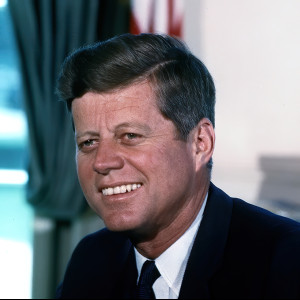 John F. Kennedy
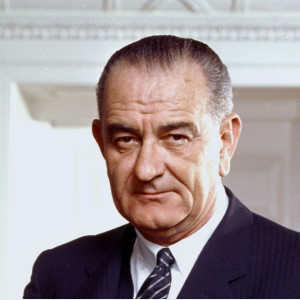 Lyndon Baines Johnson