



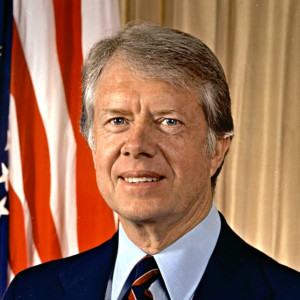
 → Personalities → Jimmy Carter


Jimmy Carter is known for his unwavering commitment to peace and human rights, exemplified by his successful mediation of the Camp David Accords in 1978, which led to a historic peace treaty between Egypt and Israel. This achievement earned him the Nobel Peace Prize in 2002, recognizing his ongoing efforts in conflict resolution, democracy promotion, and disease eradication through the Carter Center, an organization he founded in 1982.
Born in 1924 in Plains, Georgia, he was raised in a farming family and went on to graduate from the U.S. Naval Academy in 1946. After serving as a submariner, he returned home to manage his family's peanut farm and became active in local politics. His political career began in the Georgia State Senate, followed by a term as Governor of Georgia, where he promoted civil rights and government efficiency. His presidency focused on energy policy, human rights, and notable international achievements. Post-presidency, he founded an influential humanitarian organization, contributing significantly to global health, democracy, and conflict resolution efforts.
While running for president, he once promised, during a Playboy magazine interview, that he would never tell a lie to the American people. In the same interview, he famously admitted to having "lusted in his heart" for women other than his wife, which caused a media sensation and drew widespread attention to his candid and honest approach to politics.
His most remembered role was serving as a peacemaker and advocate for human rights. This is exemplified by his mediation of the Camp David Accords, where he facilitated a landmark peace agreement between Egypt and Israel in 1978, significantly advancing Middle Eastern diplomacy. Additionally, he established the Carter Center, which has played a pivotal role in promoting global health and democracy, notably eradicating diseases like Guinea worm and monitoring elections to ensure fair practices around the world.
In the later years of his life, he faced significant personal losses, including the death of his wife, to whom he was married for 77 years. Despite entering hospice care in early 2023 with the expectation of only a few days to live, he has defied the odds and remained in this state for over a year, enduring the physical limitations and emotional challenges that come with such prolonged care.
Renowned for his eloquence and sincerity, he combines deep moral conviction with clarity and warmth in his speeches and writings. As an author, he has received multiple Grammy Awards for Best Spoken Word Album, reflecting his ability to convey powerful narratives and personal reflections with authenticity and emotional depth. His works often emphasize themes of peace, human rights, and ethical governance, resonating with a wide audience and enhancing his legacy as a compassionate leader and effective communicator.
His most notable works as an author include several autobiographical and reflective books that have garnered critical acclaim and multiple awards. "An Hour Before Daylight," for instance, offers a poignant look into his rural upbringing, while "Our Endangered Values: America's Moral Crisis" won a Grammy Award for its compelling discourse on America's ethical landscape. Additionally, "A Full Life: Reflections at 90" provides a comprehensive overview of his life's journey and earned him another Grammy for its heartfelt narration.
His ability to connect with audiences through his writings is matched by his effectiveness as a speaker. His speeches often emphasize themes of peace, democracy, and human rights, mirroring the values he has championed throughout his public and private life. These works and speeches collectively underscore his enduring commitment to fostering a more just and compassionate world.
He played a pivotal role in advancing global peace, human rights, and democracy. His mediation of the Camp David Accords stands as a testament to his diplomatic skill and commitment to conflict resolution. Through the Carter Center, he made significant strides in eradicating diseases, promoting fair elections, and championing humanitarian causes worldwide. His writings and speeches, recognized with multiple Grammy Awards, reflect his deep moral convictions and ability to inspire and mobilize others toward creating a more just and compassionate world.
Through his works, we can learn the importance of authenticity, moral conviction, and emotional resonance in both writing and public speaking. His ability to weave personal anecdotes with broader ethical and societal themes demonstrates the power of storytelling to convey complex ideas and inspire action. Furthermore, his straightforward and sincere communication style highlights the value of clarity and honesty, fostering trust and engagement with the audience. These qualities show how effective communication can drive meaningful change and connect deeply with people on a global scale.
Studying his work can significantly enhance our understanding of ethical leadership, the importance of human rights, and the power of compassionate governance. His writings and speeches provide valuable lessons on effective communication, resilience in the face of adversity, and the impact of service-oriented leadership. These insights can inspire us to pursue meaningful contributions to society and foster a more empathetic and just world.

 http://www.jimmycarterlibrary.gov/
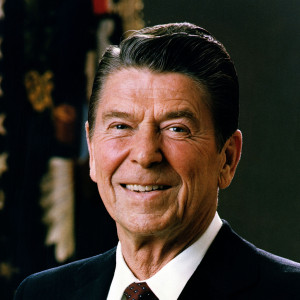
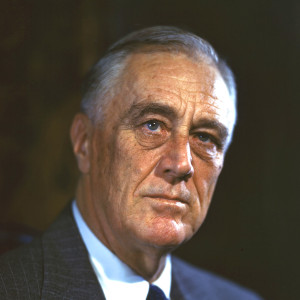 Franklin Delano Roosevelt
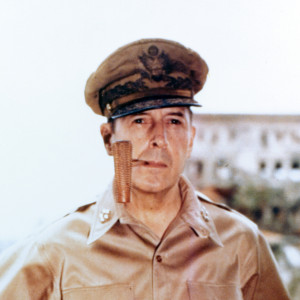 Douglas MacArthur
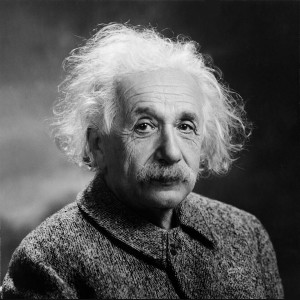 Albert Einstein
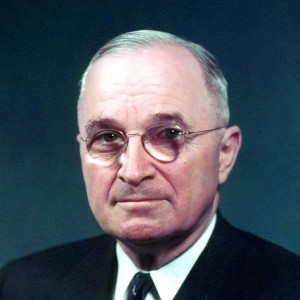 Harry S. Truman
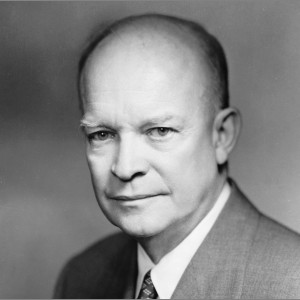 Dwight D. Eisenhower
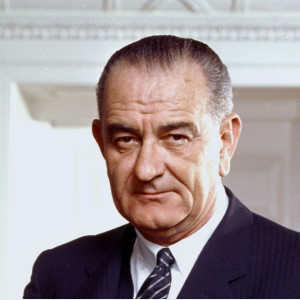 Lyndon Baines Johnson