



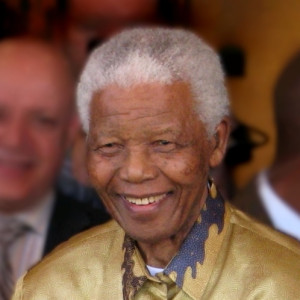
 → Personalities → Nelson Mandela


Nelson Mandela's is known for his leadership in dismantling apartheid and fostering reconciliation in South Africa. After spending 27 years in prison for his anti-apartheid activities, Mandela's release in 1990 marked an important moment in South African history. He played a crucial role in negotiating the end of apartheid, leading to the country's first multiracial elections in 1994, where he became its first Black president. Mandela's presidency focused on reconciliation, nation-building, and establishing a new democratic framework that guaranteed equal rights for all South Africans.
Born on July 18, 1918, in Mvezo, South Africa, he grew up in the rural village of Qunu before moving to the "Great Place" palace at Mqhekezweni for his education. He joined the African National Congress in 1943, helping to form the Youth League, and played a key role in the Defiance Campaign against apartheid in the 1950s. Arrested and tried multiple times, he was sentenced to life imprisonment in 1964 during the Rivonia Trial. He spent 27 years in prison, mostly on Robben Island, before his release in 1990. Subsequently, he led negotiations to dismantle apartheid and was elected South Africa's first Black president in 1994. He passed away on December 5, 2013, in Johannesburg.
Interestingly, Mandela had a passion for boxing. During his time in Johannesburg in the 1950s, he regularly trained as an amateur boxer. This interest wasn't driven by a desire to compete, but rather by the physical discipline and mental focus the sport required. He found boxing to be a way to relieve stress and maintain physical fitness, and he appreciated the egalitarian nature of the sport, where physical prowess mattered more than social status or race.
During his long imprisonment, he experienced profound personal losses, including the deaths of his mother and his eldest son, Thembi, both of which occurred while he was confined on Robben Island. Denied permission to attend their funerals, he was left to grieve in isolation, which compounded the emotional strain of his imprisonment. These events highlighted the harsh personal sacrifices made in his pursuit of justice and equality.
As the key figure in ending apartheid in South Africa, his most significant historical role was leading the transition to a multiracial democracy. He co-founded Umkhonto we Sizwe in 1961, initiating a campaign of sabotage against government installations to combat the brutal repression of peaceful protests, such as the Sharpeville Massacre of 1960. After his release from 27 years in prison, he led negotiations with the apartheid government, resulting in the first multiracial elections in 1994. His presidency focused on reconciliation and nation-building, exemplified by the establishment of the Truth and Reconciliation Commission to address past human rights abuses.
Renowned for his powerful and eloquent oratory, he was able to inspire and mobilize people through his speeches and writings. His ability to articulate the injustices of apartheid and his vision for a democratic South Africa made him a compelling leader. His "I Am Prepared to Die" speech during the Rivonia Trial and his writings, such as the autobiography "Long Walk to Freedom," reflect his steadfast commitment to justice, his humility, and his resilience.
His autobiography, "Long Walk to Freedom", published in 1994 is among his most significant works, providing a detailed account of his early life, political awakening, years of imprisonment, and the struggle to dismantle apartheid in South Africa. This book has become an essential resource for understanding the personal and political journey that led to the country's transition to democracy.
Another notable contribution is his "I Am Prepared to Die" speech, delivered during the Rivonia Trial in 1964. In this powerful address, he articulated the moral and political rationale for the anti-apartheid struggle and expressed his willingness to sacrifice his life for the ideal of a democratic and free society. This speech remains a primordial text in the history of civil rights and freedom movements globally.
Nelson Mandela's importance to humanity lies in his unwavering commitment to justice, equality, and reconciliation. His ability to forgive and seek reconciliation with former adversaries, exemplified by his leadership in establishing the Truth and Reconciliation Commission, inspired movements for justice and peace worldwide.
Mandela's eloquent speeches and writings continue to resonate as powerful testimonies to the enduring struggle for human rights and dignity.
Studying Nelson Mandela is invaluable lessons in resilience and leadership. His commitment to justice, despite decades of imprisonment, and his ability to lead South Africa through a peaceful transition to democracy, provide profound ideas to overcome adversity and fostering reconciliation. His writings and speeches inspire personal growth and a deeper understanding of social justice, equality, and human rights.

 https://en.wikipedia.org/wiki/Nelson_Mandela
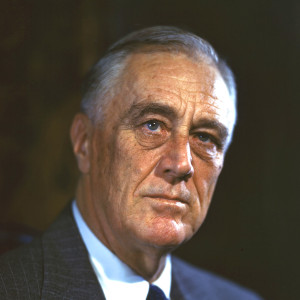 Franklin Delano Roosevelt
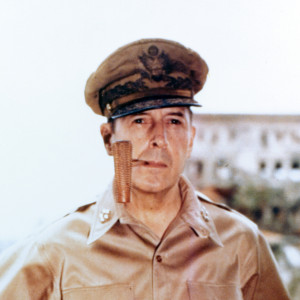 Douglas MacArthur
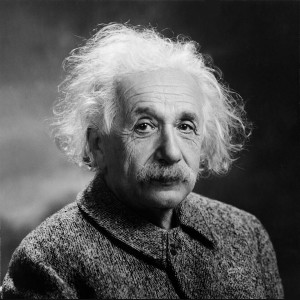 Albert Einstein
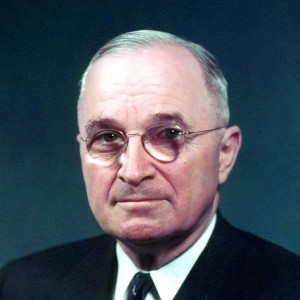 Harry S. Truman
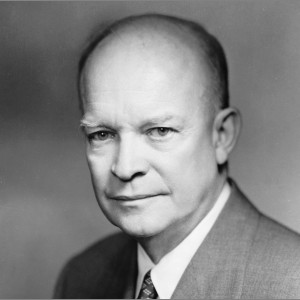 Dwight D. Eisenhower