



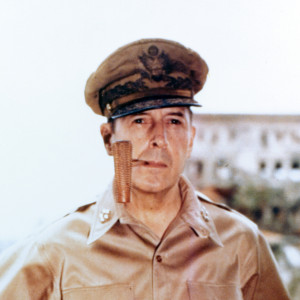
 → Personalities → Douglas MacArthur


Douglas MacArthur was a great leader during World War II, particularly in the Pacific Theater, and also in his post-war role in Japan's reconstruction. As a Supreme Commander of Allied forces, MacArthur orchestrated the successful island-hopping campaign that turned the tide against Japan. Following Japan's surrender, he oversaw the occupation and played a pivotal role in transforming that country through widespread reforms, which included demilitarization, democratization, and economic rebuilding. His efforts not only helped shape modern Japan but also left a lasting impact on international relations in the post-war era.
Born into a military family, he carved out a distinguished career that spanned several major conflicts of the 20th century. A top graduate of West Point, he served with distinction in World War I, earning multiple decorations for bravery. Transitioning to peacetime roles, he became Superintendent of the U.S. Military Academy, pushing significant reforms. His strategic prowess was further showcased during World War II, particularly in the Pacific Theater, leading to the liberation of the Philippines. Post-war, he was instrumental in the reconstruction of Japan, implementing reforms that transformed its society and governance. His tenure during the Korean War was notable until a public disagreement over military strategy led to his controversial removal from command. His legacy is a complex blend of military genius, influential statesman, and a polarizing figure in American military and political history.
MacArthur was known for his unique and sometimes flamboyant personal style, such as his signature corncob pipe and Ray-Ban sunglasses, which became iconic symbols of his persona. These distinctive choices contributed to his larger-than-life image and left a lasting visual legacy, illustrating his flair for the dramatic and the theatrical in both his personal presentation and military tactics.
Despite his towering public persona and military achievements, he experienced profound personal loss during his military campaigns. The fall of the Philippines in World War II not only marked a significant military defeat but also led to immense suffering and loss of life among the forces under his command, including the harrowing Bataan Death March where thousands of Filipino and American soldiers suffered and perished. This period was a dark chapter in his otherwise illustrious career, reflecting the harsh realities and personal tolls of war.
His tenure as Supreme Commander for the Allied Powers in post-war Japan stands out as a pivotal role, where he was instrumental in overseeing the country's transition from a militaristic empire to a democratic state. This period involved significant reforms in the Japanese political, social, and economic systems, laying the groundwork for Japan's rapid post-war recovery and emergence as a peaceful and prosperous nation. His leadership during this transformative era not only reshaped Japan but also significantly influenced the broader course of East Asian history in the 20th century, cementing his legacy as a key figure in the aftermath of World War II.
Douglas MacArthur was renowned for his eloquence, both as a speaker and a writer, characterized by his ability to convey complex ideas and emotions with clarity and force. His speeches often combined a deep sense of conviction with a compelling narrative style, engaging audiences with their vivid imagery and rhetorical power. As a writer, his communications and reports were detailed and insightful, reflecting his strategic thinking and leadership philosophy. Notably, his farewell speech to Congress, where he famously quoted an old army ballad, showcased his dramatic flair and profound understanding of the moment's historical significance, leaving a lasting impression on his listeners and the American public.
One of his most renowned speeches, delivered upon his reception of the Sylvanus Thayer Award at the United States Military Academy in 1962, is often highlighted for its profound reflection on duty, honor, and country. This address encapsulated his philosophical stance on military service and patriotism, inspiring generations of military personnel and civilians alike with its poignant and timeless message. The speech skillfully blends personal conviction with a universal appeal to the values that underpin service and leadership, showcasing his exceptional ability as an orator to articulate the deep bonds that connect soldiers with their nation and duty.
Another significant contribution to his legacy as a speaker is his farewell address to Congress in 1951, where he famously concluded with the lines from an old army song, "Old soldiers never die; they just fade away." This moment was emblematic of his dramatic and emotional communication style, leaving a powerful imprint on American memory. Through these words, he captured the essence of a career military man's departure from service, resonating deeply with both military communities and the public, and highlighting his adeptness at using speech to forge a powerful connection with his audience and articulate his perspectives on military and national issues.
Douglas MacArthur's significance extends beyond his military achievements, touching upon profound aspects of leadership, resilience, and transformation in the face of adversity. His eloquent speeches, especially those emphasizing duty, honor, and country, continue to inspire and teach values of service and sacrifice across generations. Through his strategic brilliance and visionary leadership, he shaped not only military tactics but also the course of nations, demonstrating the profound influence one individual can have on the world stage and the course of history.
His speeches often concluded with a strong, resonant message, leaving a lasting impression. This strategic use of conclusion underscores the importance of a well-crafted ending in both writing and public speaking. Through MacArthur's works, one can learn the significance of combining eloquent language with clear, moral purpose to engage and move an audience.
Studying the work of Douglas MacArthur offers us personal enrichment by presenting lessons in resilience, strategic thinking, and the ethical dimensions of leadership. His life's challenges and triumphs provide a narrative on navigating adversity, inspiring us to cultivate perseverance and adaptability in our own lives. His speeches and military strategies, rich in historical and ethical insight, encourage a deeper understanding of leadership's impact on society and the importance of moral integrity. Engaging with his legacy can motivate our personal growth, foster a greater appreciation for historical context in leadership decisions, and inspire a commitment to serving the greater good.

 https://en.wikipedia.org/wiki/Douglas_MacArthur
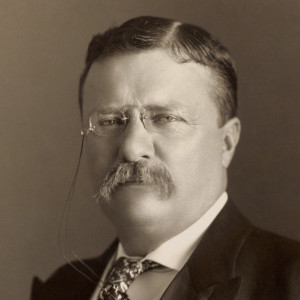 Theodore Roosevelt
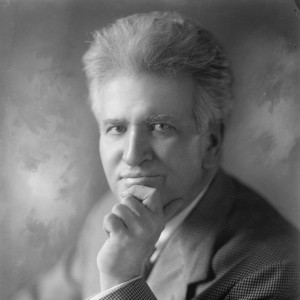 Robert Marion La Follette
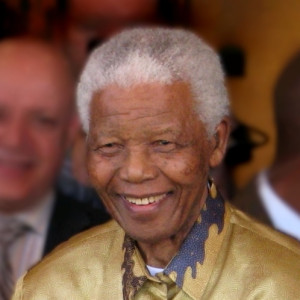 Nelson Mandela