




 עברית; إسحاق رابين (Isḥāq Rābīn)
 العربية
 → Personalities → Yitzhak Rabin


Yitzhak Rabin significantly advanced peace efforts between Israel and the Palestinians through his leadership in the Oslo Accords of 1993. This groundbreaking agreement, negotiated secretly in Norway, laid the foundation for a framework that aimed to resolve the Israeli-Palestinian conflict by granting Palestinians self-determination and leading to a phased Israeli withdrawal from occupied territories. Rabin's commitment to peace earned him, alongside Shimon Peres and Yasser Arafat, the Nobel Peace Prize in 1994.
Born on March 1, 1922, in Jerusalem, this influential figure emerged from a Labor Zionist household and pursued agricultural studies before embarking on a military career. He joined the Palmach, the elite commando unit of the Haganah, in his teens and played a crucial part in Israel's 1948 War of Independence. Rising through the ranks, he became Chief of Staff of the Israel Defense Forces and led the military to victory in the Six-Day War of 1967. After retiring from military service, he served as Israel's ambassador to the United States and later entered politics, becoming Prime Minister twice. His tenure included efforts to improve the economy, enhance social welfare, and navigate the complexities of regional diplomacy.
He initially failed the entrance exam to the prestigious Kadoorie Agricultural High School. Despite this early setback, he was eventually admitted and went on to excel academically, particularly in agricultural studies. Another interesting tidbit is that he got married during a lull in the 1948 War of Independence, an unusual choice at a time when many would have waited until the conflict ended. He met his wife, Leah, in Tel Aviv in 1944, and they lived with her parents for the first four years of their marriage before moving into military housing.
Serving as the Prime Minister of Israel, he played a crucial role in advancing peace efforts with the Palestinians. This was exemplified by the signing of the Oslo Accords in 1993, a landmark agreement that laid the groundwork for Palestinian self-governance and aimed at resolving the long-standing Israeli-Palestinian conflict. His leadership included crucial actions like shaking hands with Yasser Arafat on the White House lawn, symbolizing a new era of diplomacy. He also oversaw the signing of the Israel-Jordan peace treaty in 1994, further solidifying his commitment to regional peace.
On November 4, 1995, the Israeli leader was assassinated by Yigal Amir, a radical opposed to his peace initiatives. The assassination took place at the end of a peace rally in Tel Aviv, where he had just delivered a speech promoting the Oslo Accords. As he was leaving the rally, Amir approached and shot him twice at close range. He was rushed to Ichilov Hospital but succumbed to his injuries. This tragic event sent shockwaves through Israel and the international community, highlighting the deep divisions within Israeli society regarding the peace process.
He was known for his direct and pragmatic communication style, both in speeches and writing. His speeches were characterized by clarity and a focus on realistic goals, often reflecting his military background and no-nonsense approach. As a writer, his analytical and straightforward style provided insightful perspectives on complex military and political issues.
One of his most notable works is his autobiography, "Service Notebook", published in 1979. This book provides a detailed account of his experiences and reflections on his military and political careers. Another significant work is his book on the Lebanon War, written after "Operation Peace for Galilee" in 1983, where he offered an in-depth analysis of the military strategies and political implications of the conflict.
His speeches, especially those related to the Oslo Accords and peace initiatives, are often highlighted for their clarity and directness. These speeches were instrumental in articulating his vision for peace in the Middle East and demonstrated his pragmatic approach to political issues. His speech during the signing of the Oslo Accords stands out as a key moment in his efforts to foster peace.
His leadership significantly advanced the peace process in the Middle East, in which he laid the groundwork for Palestinian self-governance and aimed to resolve the conflict with the palestinians. He also oversaw the signing of the Israel-Jordan peace treaty in 1994, furthering regional stability. His writings provide insightful perspectives on military strategy and political diplomacy, reflecting his pragmatic and direct communication style.
From his speeches and writings, we learn the importance of clarity and directness in effective communication. His ability to articulate complex political and military issues in an understandable and straightforward manner is a valuable lesson for any public speaker or writer. His works demonstrate how to convey messages with a sense of realism and pragmatism, ensuring that the audience grasps the essential points without unnecessary embellishment. Additionally, his speeches during critical moments, such as peace negotiations, highlight the power of sincerity and the impact of strategic, heartfelt communication in influencing public opinion and fostering understanding.
Studying his work can profoundly enhance our understanding of leadership, communication, and peacebuilding. His clear, direct style in writing and speeches demonstrates how to effectively convey ideas with pragmatism and sincerity. Analyzing his methods in conflict resolution and diplomacy teaches us the value of strategic thinking, perseverance, and the impact of honest communication in fostering understanding and cooperation.

 https://en.wikipedia.org/wiki/Yitzhak_Rabin
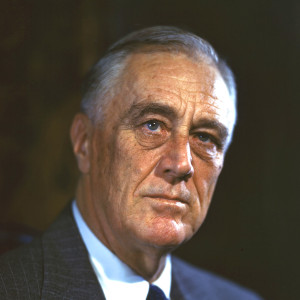 Franklin Delano Roosevelt
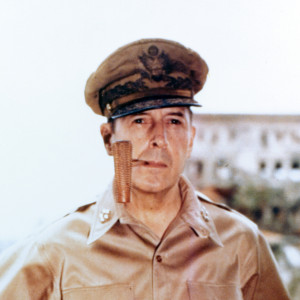 Douglas MacArthur
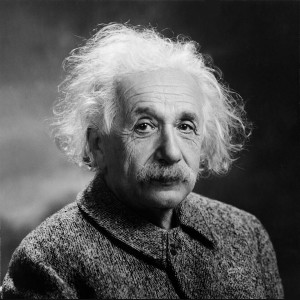 Albert Einstein