




 → Personalities → Anwar Al-Sadat


Anwar al-Sadat is best known for his groundbreaking efforts to achieve peace between Egypt and Israel, culminating in the signing of the Camp David Accords in 1978. This historic agreement, facilitated by U.S. President Jimmy Carter, led to the Egypt-Israel Peace Treaty in 1979, making Egypt the first Arab country to officially recognize Israel. This treaty resulted in the return of the Sinai Peninsula to Egypt and earned Sadat and Israeli Prime Minister Menachem Begin the Nobel Peace Prize.
Born on December 25, 1918, in Mit Abu al-Kawm, in Egypt's Monufia Governorate, this significant figure initially pursued a military career, graduating from the Royal Military Academy in Cairo in 1938. He became a prominent member of the Free Officers Movement, which led the Egyptian Revolution of 1952, overthrowing King Farouk. Following the revolution, he held various political and military positions, eventually becoming Vice President. In 1970, he ascended to the presidency, succeeding Gamal Abdel Nasser. His presidency saw significant economic reforms and a shift towards Western alliances. He was assassinated on October 6, 1981, during a military parade in Cairo.
Curiously, he had a passion for acting during his youth and even participated in school plays, showcasing a flair for drama that later translated into his charismatic public speaking abilities.
During his presidency, he was instrumental in negotiating a peace treaty with Israel, a groundbreaking move that marked the first time an Arab country officially recognized the state of Israel. His actions included a historic visit to Jerusalem in 1977, where he addressed the Israeli Knesset, signaling a bold shift towards peace. This diplomacy culminated in the Camp David Accords leading to the Egypt-Israel Peace Treaty of 1979. This treaty resulted in the withdrawal of Israeli forces from the Sinai Peninsula and established a framework for further peace in the region.
His life ended abruptly on October 6, 1981, during a military parade in Cairo. The assassination was carried out by members of the Egyptian Islamic Jihad, who opposed his peace treaty with Israel and his internal policies.
He was known for his compelling oratory skills and his ability to connect with diverse audiences. His speeches were marked by clarity, passion, and an ability to convey complex political ideas in an accessible manner.
As a writer, he authored "In Search of Identity", an autobiography that explores his personal experiences and political journey. This work provides an intimate look at his life, from his early days and military career to his presidency and the significant events that shaped modern Egypt. The book is noted for its candid reflections on the challenges and triumphs he faced, offering a detailed narrative of his vision for Egypt and his efforts to steer the country towards peace and prosperity.
Another notable work is "Revolt on the Nile", which discusses the Egyptian Revolution of 1952 and the overthrow of the monarchy. This book provides a firsthand account of the revolutionary activities and the rise of the Free Officers Movement. Through his writings, he offers a unique perspective on the political upheaval of the time and the subsequent transformation of Egypt's political landscape.
He played a pivotal part in reshaping Middle Eastern geopolitics through his pursuit of peace with Israel, which not only altered the regional dynamics but also set a precedent for future peace negotiations between Muslim states and Israel.
His writings and speeches demonstrate the power of clear communication and the importance of leadership in navigating complex political landscapes. They serve as valuable resources for understanding effective public speaking and political strategy.
Studying the work of Anwar al-Sadat enriches one's understanding of effective leadership, diplomacy, and the processes involved in achieving peace. His approach to resolving conflicts and his transformative political strategies offer valuable lessons that can inspire and guide us in our personal and professional lives.

 https://en.wikipedia.org/wiki/Anwar_Sadat
 Franklin Delano Roosevelt
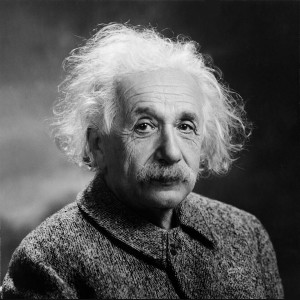 Albert Einstein