



 → Speeches and works → Lincoln Second Inaugural Address


Lincoln's second inaugural speech on March 4, 1865, is significant for setting a tone of reconciliation as the Civil War drew to a close. He acknowledged slavery as the root cause of the conflict and emphasized the need for national healing without seeking vengeance. His call for "malice toward none" and "charity for all" laid the moral groundwork for Reconstruction, encouraging unity in a deeply divided nation.
At the time of the speech, the country was burdened by the ongoing Civil War but also filled with hope as the conflict neared its end. The Union had achieved significant military victories, and Lincoln had just been re-elected. However, the country still dealt with the realities of war: wounded soldiers, political divisions, and uncertainty about how the country would reunite. The atmosphere during Lincoln’s second inauguration reflected both the anticipation of peace and the tremendous loss that the war had caused. The address itself took place under a sudden burst of sunlight, symbolically contrasting with the prior gloom.
The public at Lincoln's second inauguration largely expected him to offer a vision for how the nation would move forward after the Civil War. With the Union on the brink of victory, many hoped he would outline a plan for peace and reconciliation between the North and South. Some expected a triumphant tone, celebrating the near defeat of the Confederacy, while others anticipated guidance on how the country would reunite and address the immense devastation caused by the war. Lincoln's focus on healing and avoiding vindictiveness likely surprised those expecting a more forceful or punitive stance.
Lincoln used a combination of biblical references, parallelism, and a tone of humility to connect with his audience. He quoted scripture multiple times, invoking a shared religious and moral foundation. His use of parallel structure highlighted the equal suffering on both sides of the war, emphasizing the need for reconciliation. Additionally, he adopted a humble tone, acknowledging that neither side fully understood God's purposes, while subtly conveying that the Union's cause was just.
Lincoln’s address was considered a great success, as it struck a balance between acknowledging the devastation of the Civil War and emphasizing the need for national healing. By focusing on unity and avoiding a harsh or triumphant tone, he appealed to both the Union and the South, making it clear that his priority was to reunite the country without bitterness. The speech’s humility, combined with its moral and religious undertones, left a lasting impact, underscoring the importance of compassion as the nation moved towards Reconstruction.
Effective public speaking and writing can be enhanced by using clear, concise language that reflects empathy and a deep understanding of the audience’s concerns. In this address, the speaker used a humble tone and avoided triumphalism, which fostered a sense of shared experience and collective healing. Incorporating religious and moral references, as well as maintaining a balanced and inclusive tone, helped connect with a diverse audience. The use of parallelism and repetition reinforced key messages, making the speech memorable and impactful.
Fellow-Countrymen:
At this second appearing to take the oath of the Presidential office there is less occasion for an extended address than there was at the first. Then a statement somewhat in detail of a course to be pursued seemed fitting and proper. Now, at the expiration of four years, during which public declarations have been constantly called forth on every point and phase of the great contest which still absorbs the attention and engrosses the energies of the nation, little that is new could be presented. The progress of our arms, upon which all else chiefly depends, is as well known to the public as to myself, and it is, I trust, reasonably satisfactory and encouraging to all. With high hope for the future, no prediction in regard to it is ventured.
On the occasion corresponding to this four years ago all thoughts were anxiously directed to an impending civil war. All dreaded it, all sought to avert it. While the inaugural address was being delivered from this place, devoted altogether to saving the Union without war, insurgent agents were in the city seeking to destroy it without war--seeking to dissolve the Union and divide effects by negotiation. Both parties deprecated war, but one of them would make war rather than let the nation survive, and the other would accept war rather than let it perish, and the war came.
One-eighth of the whole population were colored slaves, not distributed generally over the Union, but localized in the southern part of it. These slaves constituted a peculiar and powerful interest. All knew that this interest was somehow the cause of the war. To strengthen, perpetuate, and extend this interest was the object for which the insurgents would rend the Union even by war, while the Government claimed no right to do more than to restrict the territorial enlargement of it. Neither party expected for the war the magnitude or the duration which it has already attained. Neither anticipated that the cause of the conflict might cease with or even before the conflict itself should cease. Each looked for an easier triumph, and a result less fundamental and astounding. Both read the same Bible and pray to the same God, and each invokes His aid against the other. It may seem strange that any men should dare to ask a just God's assistance in wringing their bread from the sweat of other men's faces, but let us judge not, that we be not judged. The prayers of both could not be answered. That of neither has been answered fully. The Almighty has His own purposes. "Woe unto the world because of offenses; for it must needs be that offenses come, but woe to that man by whom the offense cometh." If we shall suppose that American slavery is one of those offenses which, in the providence of God, must needs come, but which, having continued through His appointed time, He now wills to remove, and that He gives to both North and South this terrible war as the woe due to those by whom the offense came, shall we discern therein any departure from those divine attributes which the believers in a living God always ascribe to Him? Fondly do we hope, fervently do we pray, that this mighty scourge of war may speedily pass away. Yet, if God wills that it continue until all the wealth piled by the bondsman's two hundred and fifty years of unrequited toil shall be sunk, and until every drop of blood drawn with the lash shall be paid by another drawn with the sword, as was said three thousand years ago, so still it must be said "the judgments of the Lord are true and righteous altogether."
With malice toward none, with charity for all, with firmness in the right as God gives us to see the right, let us strive on to finish the work we are in, to bind up the nation's wounds, to care for him who shall have borne the battle and for his widow and his orphan, to do all which may achieve and cherish a just and lasting peace among ourselves and with all nations.

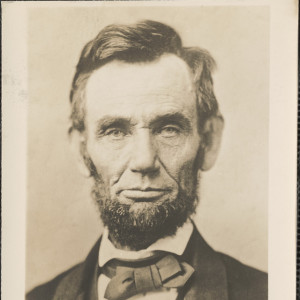 Abraham Lincoln

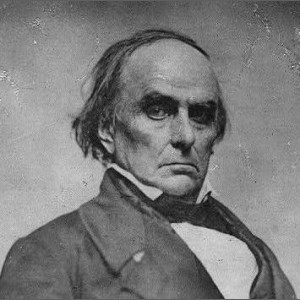 Daniel Webster
 John Winthrop
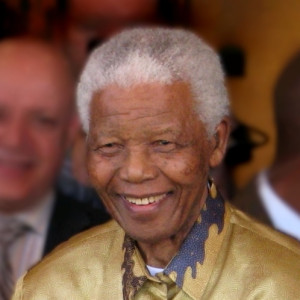 Nelson Mandela
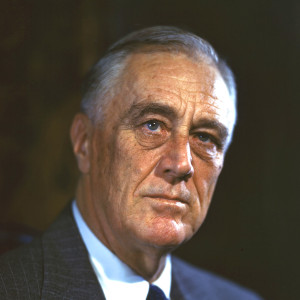 Franklin Delano Roosevelt
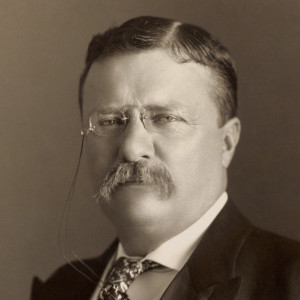 Theodore Roosevelt
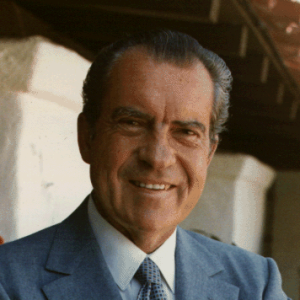 Richard M. Nixon
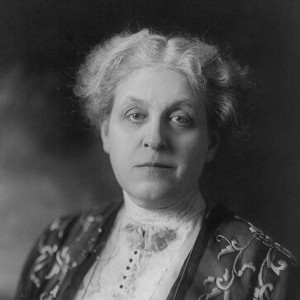 Carrie Chapman Catt
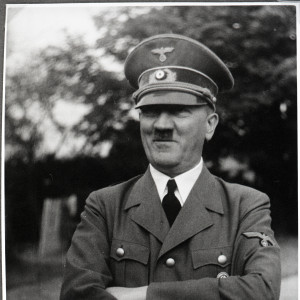 Adolf Hitler
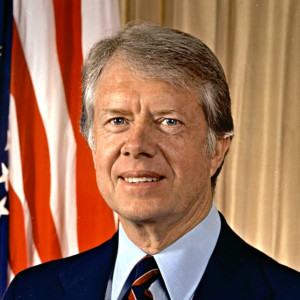 Jimmy Carter