




 → Personalities → Edward M. Kennedy


Edward M. Kennedy, widely known as Ted Kennedy, made numerous significant contributions to American history, but his most enduring legacy arguably lies in his tireless advocacy for healthcare reform. Over his nearly five decades in the U.S. Senate, Kennedy was a vocal proponent of universal health care, a cause he famously called "the cause of my life." He played a pivotal role in the enactment of landmark health legislation, including the State Children's Health Insurance Program (SCHIP), the Americans with Disabilities Act, and significant contributions to the creation and passage of the Affordable Care Act, even though he did not live to see it enacted. His dedication to ensuring that all Americans had access to quality healthcare has left an indelible mark on the nation's policies and continues to influence health care debates today.
Born into a prominent family in Boston, he was the youngest of nine children. After serving in the United States Army, he pursued higher education at prestigious institutions, eventually entering politics to carry on his family's legacy. His career in the Senate spanned nearly five decades, marked by a commitment to liberal causes and significant legislative achievements in healthcare, education, and civil rights. Despite personal and professional controversies, his enduring impact on American politics and society remains undeniable. His advocacy for universal healthcare was a defining aspect of his career, reflecting his belief in social justice and equality.
A lighter moment in his life involved his expulsion from Harvard University for having a classmate take his Spanish exam for him. This incident showcases a less-known, mischievous side of his character, diverging from his political persona. After a period in the military, he was readmitted to Harvard, where he eventually graduated.
In his nearly five decades as a U.S. Senator, he was instrumental in passing landmark laws including the Immigration and Nationality Act of 1965, the National Cancer Act of 1971, and the Americans with Disabilities Act of 1990. His relentless advocacy for healthcare reform culminated in significant contributions to the Affordable Care Act, demonstrating his commitment to social justice and healthcare as a right for all Americans.
He was renowned for his exceptional oratorical skills, often captivating audiences with his eloquent and powerful speeches. His ability to articulate the ideals of modern American liberalism and his passionate advocacy for social justice issues were hallmarks of his public speaking and writing. His speeches, including the eulogy for his brother Robert and his 1980 rallying cry for liberalism, are remembered as some of the most impactful in American political history, showcasing his profound influence as both a speaker and a writer.
His 1980 Democratic National Convention speech, where he declared, "The dream shall never die," remains a defining moment, encapsulating his unwavering commitment to American liberalism and social justice. This speech, along with his poignant eulogy for his brother Robert Kennedy, showcases his profound ability to connect with the American public, articulate shared values, and inspire action through his words, making these among his most influential contributions as a public speaker and writer.
Through his eloquent speeches and legislative prowess, he not only shaped American policy but also inspired generations to engage in the democratic process and fight for equality and the betterment of society. His legacy is a testament to the impact one individual can have on the lives of many, embodying the spirit of public service and commitment to the common good.
Ted Kennedy's body of work as a speaker and writer underscores the importance of combining emotional appeal with logical argumentation, using personal stories to humanize broader issues, and maintaining a strong moral voice to effectively communicate and persuade.
Exploring his legacy illuminates the impact of passionate advocacy and legislative action on societal progress. It inspires us to commit to public service and underscores the importance of resilience, empathy, and the pursuit of justice in addressing complex social issues, thereby enriching our understanding of civic responsibility and the potential for positive change.

 https://en.wikipedia.org/wiki/Ted_Kennedy


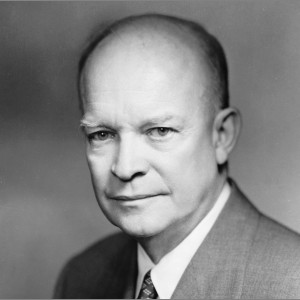 Dwight D. Eisenhower
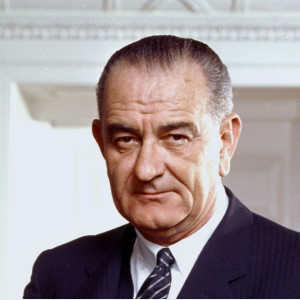 Lyndon Baines Johnson