



 བོད་སྐད་; 丹增嘉措 (Dānzēng Jiācuò) 汉语
 → Personalities → Tenzin Gyatso


Tenzin Gyatso, the 14th Dalai Lama of Tibet, has made a significant impact by advocating for the peaceful resolution of the Tibetan issue and promoting global peace and compassion. His dedication to non-violence and his efforts in promoting religious harmony and understanding have earned him international recognition, including the Nobel Peace Prize in 1989.
Born on July 6, 1935, in Taktser, Tibet, he was recognized as the reincarnation of the 13th Dalai Lama at the age of two. Enthroned in Lhasa in 1940, he assumed full political duties in 1950.
After the 13th Dalai Lama passed away, monks were sent to search for his reincarnation based on signs and visions. When they found a young boy in the Amdo region, they presented him with several objects, some of which belonged to the 13th Dalai Lama, mixed with ordinary items. The boy correctly identified all the items that had belonged to the previous Dalai Lama, a key indicator of his identity. This process, combining mystical and practical elements, underscores the fascinating traditions of Tibetan Buddhism.
After the 1959 Tibetan uprising against Chinese rule, he fled to India and established the Tibetan Government-in-exile in Dharamsala. The escape involved a perilous journey over the Himalayas, evading capture by Chinese forces. This event not only displaced him from his spiritual and administrative center but also led to significant hardships for the Tibetan people, many of whom followed him into exile. He has since devoted his life to preserving Tibetan culture and advocating for human rights. His contributions to Buddhist scholarship and interfaith dialogue have made him a globally respected spiritual leader, meeting with numerous world leaders and promoting religious harmony.
His efforts to promote peace and compassion have had a profound impact on the global stage. He proposed the Five-Point Peace Plan in 1987, which called for the establishment of Tibet as a zone of peace and advocated for the protection of Tibetan culture and human rights. Furthermore, he has tirelessly worked towards fostering dialogue between different religions, meeting with numerous global religious leaders to promote mutual respect and understanding. His teachings on non-violence and universal responsibility have resonated worldwide, earning him the Nobel Peace Prize and recognition as a symbol of peace and resilience.
Renowned for his eloquence and clarity, he captivates audiences with his profound yet accessible teachings. His speeches and writings often emphasize compassion, non-violence, and the interconnectedness of all beings, blending deep philosophical insights with practical advice for everyday life.
His most influential works include the book "The Art of Happiness", which combines Buddhist teachings with modern psychology, offering practical wisdom for leading a fulfilling life. Another significant work is "The Universe in a Single Atom", where he explores the harmony between science and spirituality, advocating for a holistic understanding of reality. Additionally, his public addresses, such as the 1987 Congressional Human Rights Caucus speech where he presented the Five-Point Peace Plan, have left a lasting impact on international peace efforts.
His teachings and writings have inspired millions, promoting a message of peace, compassion, and understanding. His advocacy for non-violent solutions and his emphasis on universal responsibility have contributed significantly to global discourse on human rights and interfaith dialogue.
Studying his contributions teaches us the value of compassion, mindfulness, and ethical behavior. His style of communication, marked by clarity, humility, and profound insight, exemplifies effective public speaking and impactful writing.
His wisdom offer profound guidance for living a compassionate and mindful life. His work encourages personal growth, empathy, and a deeper understanding of the interconnectedness of all beings, ultimately leading to a more peaceful and fulfilling existence.

 https://en.wikipedia.org/wiki/14th_Dalai_Lama

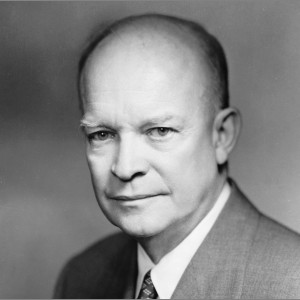 Dwight D. Eisenhower
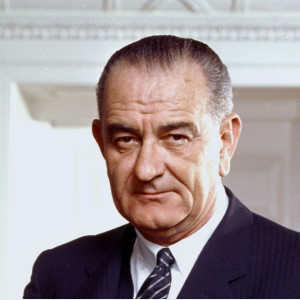 Lyndon Baines Johnson