




 → Personalities → Mario Cuomo


Mario Cuomo's advocacy for social justice and economic equality defined his legacy. He defended policies that reduced inequality, improved education, and promoted public-private economic development. Known for his powerful critiques of Reagan's economic policies, Cuomo highlighted the disparities they created, contrasting them with his vision of a more equitable society. His principled opposition to the death penalty, despite its popularity, underscored his commitment to human rights and ethical governance, leaving a lasting impact on American political discourse.
Born in Queens, New York, in 1932 to Italian immigrant parents, he grew up in a working-class neighborhood and pursued higher education at St. John's University, excelling academically. Initially aspiring to be a professional baseball player, an injury redirected him to law. He gained public attention through legal advocacy for local communities in New York City. His political career began as New York's Secretary of State, followed by Lieutenant Governor, and then Governor for three terms. He was known for his eloquent speeches and dedication to progressive causes. He passed away in 2015.
During his college years at St. John's University, he played baseball and even signed a contract with the Pittsburgh Pirates. His baseball career, however, was cut short when he was struck in the head by a pitch, which resulted in a severe injury and ended his aspirations in sports. This twist of fate led him to return to his studies and pursue a career in law and politics, which ultimately shaped his future as a prominent political figure.
As Governor of New York, he made significant contributions through progressive reforms and impactful rhetoric. He implemented initiatives to improve public education, fostered economic development through public-private partnerships, and opposed the death penalty. His compelling critique of Reagan's economic policies highlighted social disparities and advocated for a vision of shared prosperity. His speeches, especially at the Democratic National Convention, underscored his commitment to liberal values, influencing political discourse and shaping the direction of his party.
His eloquence and ability to connect with audiences made him a captivating speaker, known for his emotional appeal and rhetorical skills. As a writer, he was reflective and insightful, often delving deeply into his own motivations and experiences.
One of his most notable works as a speaker was the keynote address at the 1984 Democratic National Convention was a pivotal moment in American political history. Delivered with exceptional eloquence and passion, the speech critiqued Reagan's economic policies and painted a vivid picture of America as a "tale of two cities", highlighting the growing divide between the wealthy and the poor. This address not only energized the Democratic Party but also showcased his rhetorical prowess, leaving a lasting impression on the political landscape. His ability to articulate the struggles of ordinary Americans set a high standard for political oratory.
Another popular work is his book "Forest Hills Diary: The Crisis of Low-Income Housing". This book captures his involvement in mediating a heated dispute over a low-income housing project in the Forest Hills neighborhood of Queens in the early 1970s. Through detailed accounts and personal reflections, the book explores the complexities of urban planning and community resistance. It showcases his commitment to resolving conflicts through dialogue and his deep understanding of the political and social dynamics that shape urban environments.
His contributions to political discourse through his progressive policies, powerful speeches, and insightful writings helped shape the Democratic Party's direction and inspired many to advocate for social justice and equality.
His works teach us the importance of clarity, emotional resonance, and strong narrative in both writing and speaking. Effective communication requires connecting with the audience on a personal level, using vivid imagery and relatable anecdotes. His speeches and writings demonstrate how to tackle issues with accessible language, ensuring that the message is both powerful and understandable. The integration of personal stories with broader themes illustrates the effectiveness of combining emotion and reason to persuade and inspire audiences.
His work can deeply enhance one’s understanding of effective communication and leadership. His speeches and writings demonstrate the power of storytelling, emotional connection, and clear messaging in influencing and inspiring others. This makes his work a valuable guide for anyone seeking to improve their ability to engage and motivate an audience, whether in writing or public speaking.

 https://en.wikipedia.org/wiki/Mario_Cuomo

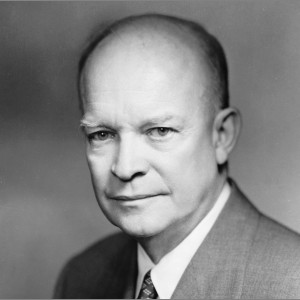 Dwight D. Eisenhower
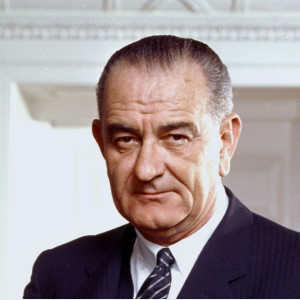 Lyndon Baines Johnson