 → Personalities → Robert Marion La Follette


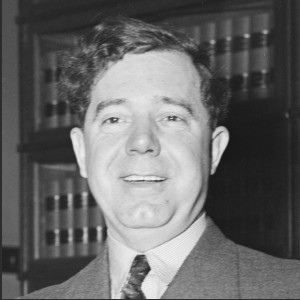
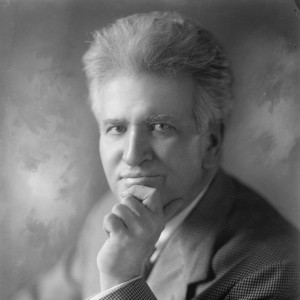
Robert Marion La Follette's crucial role in the Progressive Movement is exemplified by his development of the "Wisconsin Idea," which integrated academic expertise into government to create more efficient and responsive public policies. As governor of Wisconsin, he implemented reforms such as direct primaries, railroad regulation, and progressive taxation, which significantly advanced the cause of government transparency and accountability.
Born on June 14, 1855, in Primrose, Wisconsin, he rose from humble beginnings on a family farm to become an important figure in American politics. After graduating from the University of Wisconsin in 1879, he embarked on a political career that saw him serve as district attorney and a member of the U.S. House of Representatives. His tenure as governor of Wisconsin from 1901 to 1906 was marked by relevant progressive reforms. Elected to the U.S. Senate in 1906, he became a leading advocate for labor rights, antitrust legislation, and government accountability. He also ran for president in 1924 as the Progressive Party candidate, securing nearly five million votes. He passed away on June 18, 1925, in Washington, D.C.
His father died when he was just eight months old, and his stepfather, John Saxton, was an overbearing figure, which led to a strained and difficult childhood. This early hardship influenced his determination and resilience throughout his life.
During his time at the University of Wisconsin, he became a vegetarian, believing that this diet gave him more energy and a "clear head." This choice was unusual for the time and reflected his willingness to embrace strange ideas.
In the U.S. Senate, he played an essential role in promoting progressive reforms. He fought tirelessly for legislation regulating railroads, implementing direct primaries, and supporting workers' rights. His opposition to U.S. involvement in World War I and his efforts to investigate the Teapot Dome scandal demonstrated his commitment to transparency and the public good.
Known for his passionate and zealous oratory skills, he captivated audiences with his compelling speeches. His ability to communicate in a straightfoward, simple and passionate way made him a powerful advocate for progressive causes.
Among his most esteemed speeches is his vehement opposition to U.S. entry into World War I in 1917, where he argued for a national referendum on the matter. He also delivered impactful speeches against monopolistic practices and in favor of labor rights, significantly influencing public opinion and policy during his time.
He fought for the rights of workers, endorsed transparent government practices, and implemented reforms that shaped modern governance. His efforts in antitrust legislation and labor rights protection were particularly impactful, laying the foundation for future progressive policies.
From his work, we learn the importance of clear, powerful communication in promoting social and political change. His speeches demonstrate how effectively conveying one's message can mobilize public support and drive legislative action.
Studying his work emphasizes the value of integrity, persistence, and the power of informed, articulate advocacy in effecting social and political reforms. His legacy serves as an inspiring example for anyone dedicated to public service and to social reforms.

 https://en.wikipedia.org/wiki/Robert_M._La_Follette